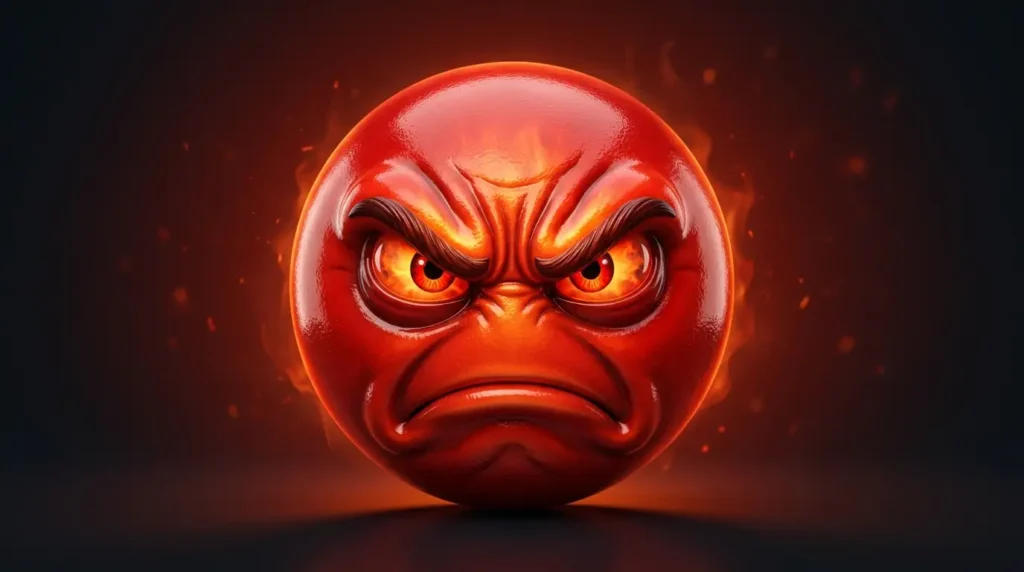

Ever received a message with 😡 and wondered, “Is this person really angry?” The enraged emoji can show strong anger, frustration, irritation, or even playful outrage. But its meaning can change a lot depending on the message around it.
From WhatsApp chats to Instagram comments and TikTok reactions, angry-face emojis help people express feelings without writing a long explanation. Some look mildly annoyed, while others show much stronger emotion.
In this guide, you will learn what the main enraged emojis mean, how context changes their message, and when to use them. You will also find practical copy-paste examples for everyday chats, social media, and different moods.
The right angry emoji can say “I’m upset” without needing a whole paragraph.
What do enraged emoji mean?
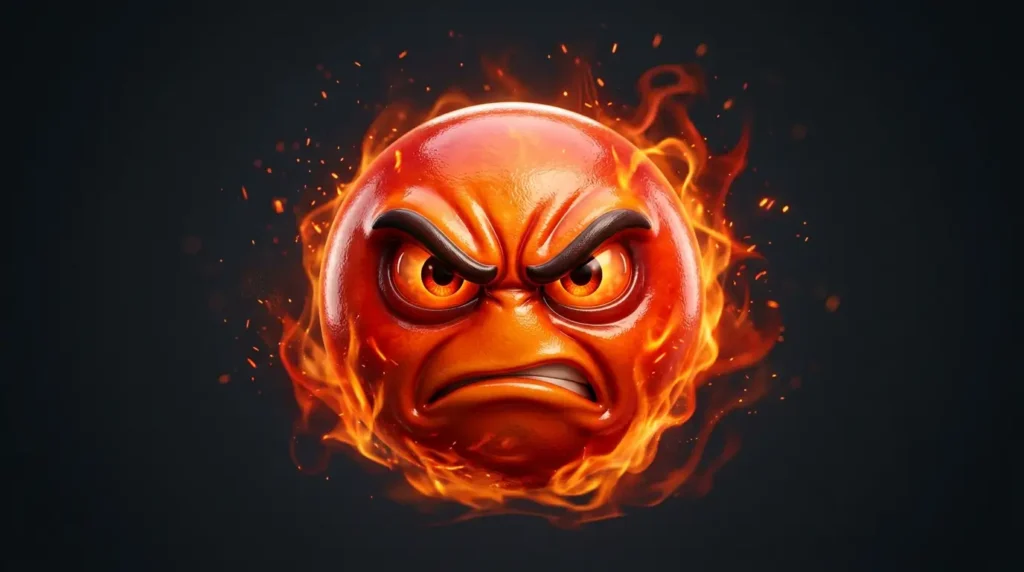
The enraged emoji usually refers to emojis that communicate strong anger, frustration, annoyance, or emotional intensity. The classic choice is 😡, but nearby emojis can express slightly different levels of anger.
Here are the main emojis in this family:
- 😡 Enraged Face: Shows strong anger or serious frustration. In a serious chat, it can mean “I am really angry.” In a joke, it may simply show dramatic outrage.
- 😠 Angry Face: Usually expresses anger, irritation, or displeasure. It can feel less intense than 😡, depending on the conversation.
- 🤬 Face with Symbols on Mouth: Represents very strong anger, especially when someone is extremely upset or using harsh language. Friends may also use it jokingly.
- 😤 Face with Steam From Nose: Often shows frustration, annoyance, determination, or a “I’ve had enough” feeling. It does not always mean extreme anger.
- 😾 Pouting Cat: A cat version of an angry or displeased reaction. It can make an angry message feel more playful or cute.
- 👿 Angry Face With Horns: Can suggest anger, mischief, or a dramatic “villain” mood. Context is important because it can be playful rather than genuinely hostile.
| Emoji | Core meaning | Misread as | Best used when |
| 😡 | Strong anger | Playful teasing | You are clearly upset |
| 😠 | Anger or irritation | Extreme rage | Showing annoyance |
| 🤬 | Very strong anger | Serious hostility | Dramatic frustration |
| 😤 | Frustration | Happiness or pride | Showing “enough!” feelings |
| 😾 | Angry displeasure | Serious anger | Playful or cute reactions |
| 👿 | Angry or mischievous mood | Real hostility | Dramatic jokes |
😡 Enraged Face
Meaning: Strong anger, serious frustration, or emotional upset.
Example 1: I can’t believe this happened 😡
Example 2: Please don’t do that again 😡
😠 Angry Face
Meaning: Anger, irritation, or displeasure in a direct way.
Example 1: I’m not happy about this 😠
Example 2: You forgot again 😠
🤬 Face with Symbols on Mouth
Meaning: Very strong anger or frustration, often linked with an intense reaction.
Example 1: This is so frustrating 🤬
Example 2: I can’t deal with this today 🤬
😤 Face with Steam From Nose
Meaning: Frustration, annoyance, determination, or feeling fed up.
Example 1: I’ve had enough 😤
Example 2: I am not giving up 😤
😾 Pouting Cat
Meaning: An angry, annoyed, or displeased mood with a playful cat expression.
Example 1: You ignored my message 😾
Example 2: I’m still annoyed 😾
👿 Angry Face With Horns
Meaning: A dramatic angry, mischievous, or playful mood.
Example 1: Don’t test me today 👿
Example 2: My villain mood is here 👿
😡 Angry Reaction
Meaning: A quick way to show that something made you angry or upset.
Example 1: Seriously? 😡
Example 2: That’s not fair 😡
😠 Annoyed Reaction
Meaning: Shows irritation when something is bothering you.
Example 1: Stop doing that 😠
Example 2: Not again 😠
😤 Fed-Up Mood
Meaning: Shows that you are frustrated, tired of a situation, or determined.
Example 1: I’m done explaining 😤
Example 2: I’ll handle it myself 😤
🤬 Strong Reaction
Meaning: Adds extra emotional force to a frustrated message.
Example 1: What a terrible day 🤬
Example 2: The is driving me crazy 🤬
How to use enraged emoji the right way
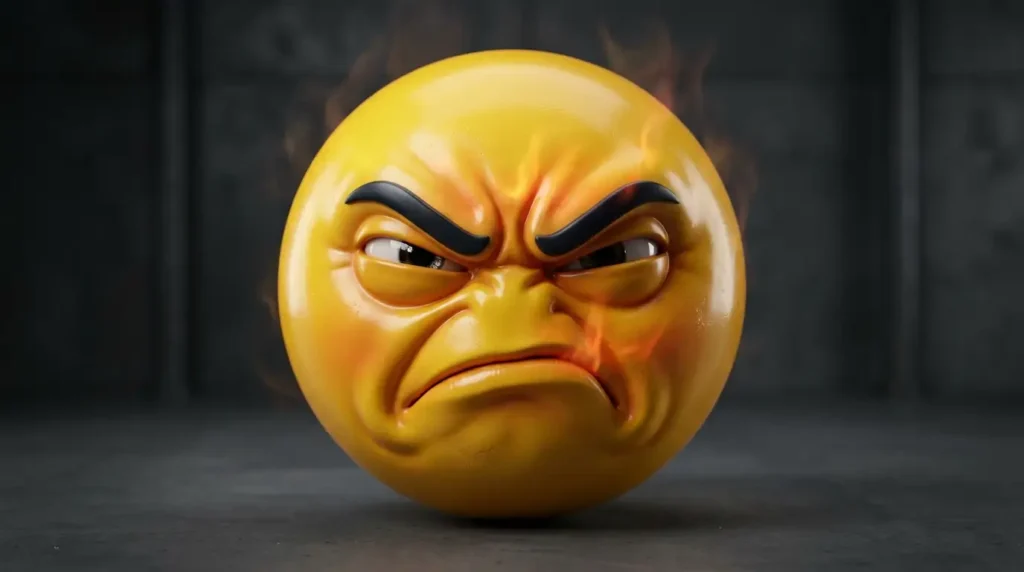
The meaning of an angry emoji depends heavily on the words around it. A simple 😡 can sound serious after “I am really upset,” but it can feel funny after a playful message.
WhatsApp emojis are often used to add emotion to short personal messages. You can use 😡 when you want friends or family to understand that something genuinely annoyed you.
For example:
“Why did you cancel at the last minute? 😡”
For lighter frustration, 😠 or 😤 can work better. If you are joking with a close friend, an exaggerated combination can make the message feel playful.
“Bro, you ate my snacks 😡😤”
In romantic conversations, be careful with strong angry emojis. Someone who does not understand your humor may take them seriously.
Instagram emojis often appear in captions, comments, and Stories. An angry emoji can show a reaction to a funny situation, frustrating moment, or dramatic post.
For example:
“Me when my phone dies at 1% 😡”
In comments, 😤 can also express dramatic frustration without making the reaction sound too serious.
For creators and brands, context matters even more. A strong angry emoji can change the tone of a caption, so it should match the message and audience.
TikTok
TikTok uses emojis heavily for humor, reactions, irony, and short-form communication. An angry emoji may be used dramatically even when the person is not actually angry.
For example:
“When the Wi-Fi stops working during the best part 😡”
A creator might also use 😤 to create a funny “I refuse to lose” mood. On TikTok, the surrounding video, caption, and comments usually help explain whether the emotion is serious or exaggerated.
Dos
- Use 😡 when you want your anger to be clear.
- Choose 😠 for a more general irritated feeling.
- Use 😤 when you feel frustrated or fed up.
- Use 🤬 for a stronger dramatic reaction.
- Match the emoji with the words around it.
Don’ts
- Do not use the strongest angry emoji in every message.
- Do not assume everyone understands playful anger.
- Avoid using angry emojis when a serious message needs calm wording.
- Do not send a strong reaction without context if the situation is sensitive.
- Remember that tone can be hard to read through text alone.
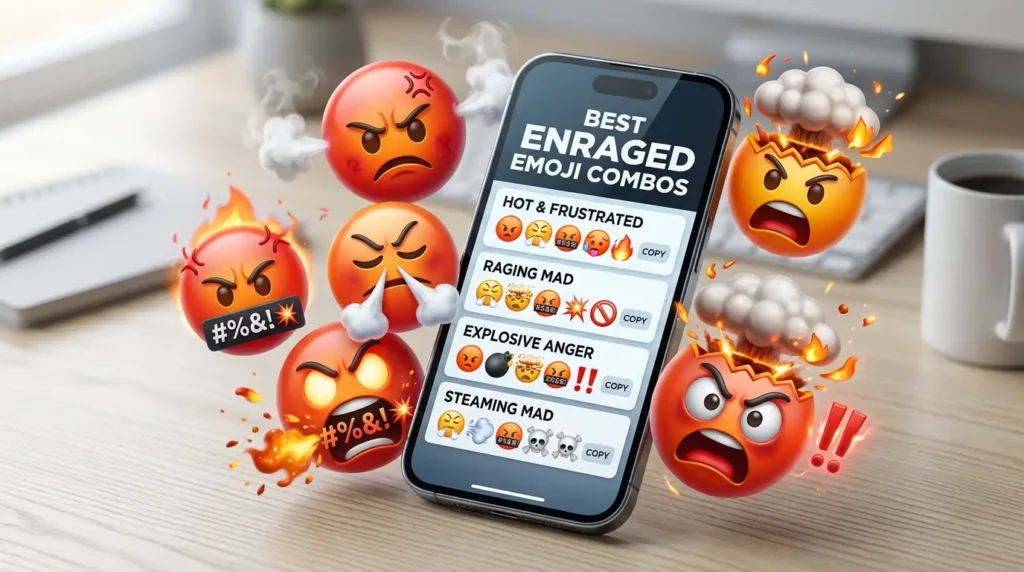
Best enraged emoji combos copy & paste
Romantic
👉 😡😠 When you are playfully upset with someone close.
👉 😠😤 A softer way to show relationship frustration.
Cute
👉 😾😡 A playful angry mood with a cute touch.
👉 😡😾 Dramatic but playful “I’m annoyed” energy.
Flirty
👉 😡👿 Playfully acting angry during teasing.
👉 😠👿 Dramatic teasing between people who know each other’s humor.
Missing Someone
👉 😡😤 When you miss someone and are frustrated that they are away.
👉 😤😠 When waiting for a message is getting frustrating.
Good Night
👉 😡😤 “I’m annoyed, but I’m going to sleep.”
👉 😤👿 A playful dramatic ending before bedtime.
These combinations work best when the person receiving them already understands your tone. A combination that feels funny between close friends may sound serious in a new conversation.
Trending enraged emoji in 2026
Angry emojis continue to be useful because they work well in short digital conversations. In 2026, their appeal is less about one specific emoji being “the winner” and more about how people combine familiar expressions to create tone.
😡 is widely recognized and works when a message needs an obvious angry reaction. It is easy to understand across casual conversations, comments, and social posts.
😤 is commonly seen when people want to show frustration without making the message sound completely hostile. It works especially well for dramatic or humorous reactions.
🤬 is useful when someone wants to make frustration look stronger. In casual social content, it can add an exaggerated reaction to an everyday problem.
👿 can add a dramatic or mischievous edge. It is often useful when the “anger” is more playful than serious.
| Emoji | Why trending | Who uses it | Platform |
| 😡 | Clear and instantly recognizable | General users | WhatsApp, Instagram, TikTok |
| 😤 | Fits frustration and dramatic reactions | Casual users and creators | TikTok, WhatsApp |
| 🤬 | Strong visual reaction | Social media users | TikTok, Instagram |
| 👿 | Playful or dramatic mood | Casual users | Instagram, TikTok |
Emoji communication keeps evolving as people use familiar symbols in more playful, ironic, and context-based ways.
FAQs:
1. What is the most popular enraged emoji?
😡 is one of the clearest choices when you want to show strong anger. It is widely recognized and usually needs little explanation.
2. What does 😡 mean from a girl or boy?
The basic meaning does not change by gender. 😡 usually shows anger, frustration, or a strong reaction, but the exact tone depends on the conversation and relationship.
3. Why do emojis look different on iPhone vs Android?
Emoji designs are created by each platform’s font and software system. The same emoji can therefore have a slightly different face, shape, or expression on different devices.
4. Are enraged emoji used differently in other countries?
Yes, context and communication habits can vary between countries and cultures. The basic emotion may be similar, but people can use emojis differently for humor, politeness, or emphasis.
Conclusion:
The enraged emoji family makes it easier to show anger, frustration, and playful outrage in quick digital messages.
Choose the emoji that matches the strength and tone of your reaction.
For WhatsApp, Instagram, or TikTok, context is the key to making your message clear and natural.

Emma Richardson is an emoji meaning specialist who explores popular emojis, symbols, combinations, and their different meanings across digital platforms.